Blog / 26 October 2026
Visualising RPM motion with a digital twin
A new clip brings together a 3D random positioning machine model, gravity-direction displays and sample-frame and actuator telemetry.
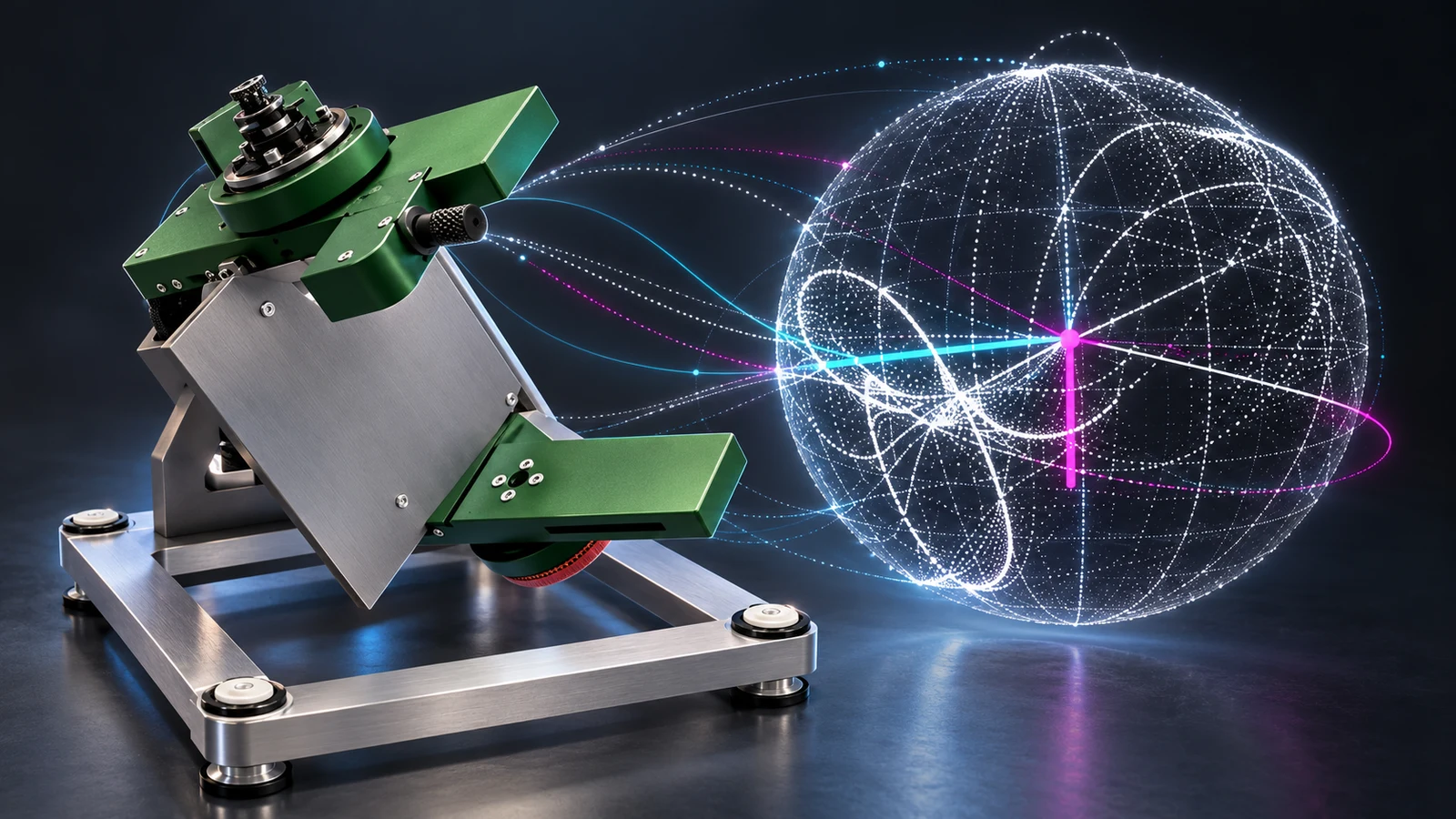
How does the motion of a random positioning machine relate to the changing orientation of a sample? Our new digital-twin clip brings several views of that motion onto one screen.
The 25-second recording shows a rotating 3D RPM model alongside gravity-direction displays, sample-frame trajectories and actuator traces. Viewing these panels together makes the relationship between machine motion and the displayed telemetry easier to follow.
Part of our space-biology work
The visualisation sits alongside our work on ground-based simulated microgravity and the instruments used to study cells under altered mechanical conditions. It provides a way to explain and inspect RPM motion, rather than treating the machine as a black box.
The displayed quantities are part of the digital-twin visualisation. The clip alone does not establish the physical conditions experienced by a biological sample or validate a biological response.
Explore the RPM digital twin on our space-biology page.
The GitHub repository will be available soon. Contact us for early previews.